In stock
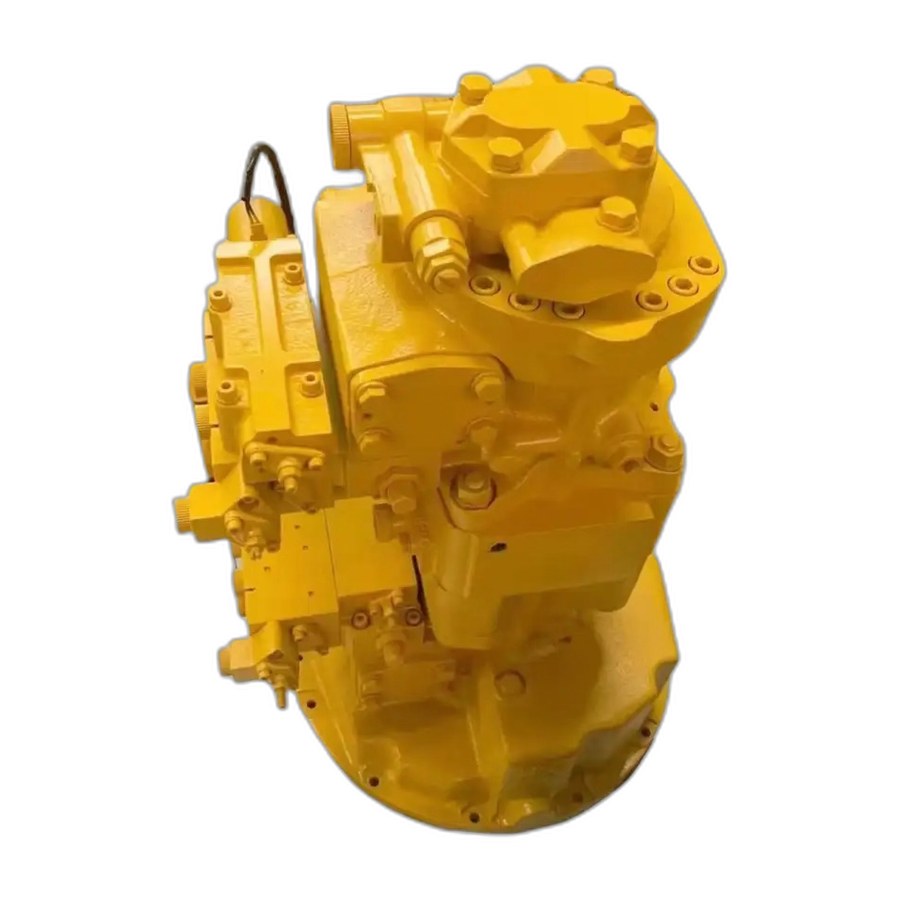
Nine out of ten wrong-part claims we see start with the same mistake: someone ordered from a photo instead of a number. A Komatsu part number is a structured code, not a random string. Read it correctly and you can tell what family the component belongs to, which machine group it serves, and whether the number on the shelf is the same revision as the one on your machine. This guide walks through the three checks our parts desk performs on every enquiry.
On most Komatsu assemblies the number is stamped or laser-etched into a machined face, not printed on a label. On hydraulic pumps and travel motors it is normally on the housing flange, close to the mounting bolt circle. On final drives it sits on the ring gear housing. On engine components it is on the block, the head, or the injector body depending on the part.
Labels peel, get painted over during a rebuild, and are the first thing lost after a pressure wash. The stamp is the record that survives. If the painted number and the stamped number disagree, the stamp wins — a machine that has been through a dealer exchange or a previous rebuild will often carry a label from the replacement unit.
Before you call anyone, clean the area with a wire brush and brake cleaner, then take two photos: one straight on so every digit is legible, and one wider shot showing where the part sits on the machine. The wide shot tells us the machine family even when a digit is ambiguous — a 6 or an 8, a 0 or a 0 with a scratch through it.
A typical Komatsu number looks like 708-2K-00123. The leading block identifies the major assembly family, the middle alphanumeric block identifies the specific variant or size, and the trailing digits are the sequence within that variant. Change the middle block and you generally change the machine class the part belongs to, even though the leading family looks identical.
Engine and chassis numbers often appear in a three-two-four pattern such as 6216-84-9111, where the first group is the engine or system family and the last four digits identify the individual component. Undercarriage and small hardware frequently use shorter five-digit forms, and these are the numbers people most often transcribe incorrectly because there is no visual rhythm to catch a dropped digit.
The practical rule: read the number in blocks, out loud, and write down each block as you say it. Most transcription errors we receive are a single digit moved by one position, and they are always in the block that has no letters to anchor it.
Komatsu reuses one number across several machine models, and the same model name can carry a different number after a serial break. A PC200-8 built in one production window and a PC200-8 built two years later may take different hydraulic components even though the decal on the boom says the same thing.
This is why we ask for the machine serial as well as the model. With the serial we can place the unit in the correct production window and check whether a superseded number applies. Without it, we quote against the number you give us and confirm the physical fit — which is usually enough for wear parts, but not for control valves, pumps or electronic components.
For dashes and generation suffixes, be precise. PC200-7, PC200-8 and PC200-8M0 are three different part families in several systems. Writing PC200 without the dash number is the single most common reason a quotation comes back with the wrong variant lining up.
Komatsu supersedes numbers when a component is revised, when a supplier changes, or when a service campaign replaces a known weak point. A superseded number is not necessarily an upgrade you should chase — often the difference is a coating, a seal material or a mounting hole tolerance that only matters in specific applications.
We tell customers which supersessions are safe to accept and which are not. If your machine is running an older number that is still in production for your serial range, fitting the newer revision can be fine on a pump but can create a sealing mismatch on a valve body. This is exactly the kind of detail we verify before the order is packed, not after.
Genuine interchange is different from a functional equivalent. A functionally equivalent part may work, but it is not the same part, and on a machine earning money in a quarry that difference shows up in service life rather than in the invoice.
Send four things and we can quote and confirm fitment the same working day: the part number as stamped, the machine model with the dash number, the machine serial, and a photo of the old component. If the number is unreadable, send the photos alone and the machine serial — we can work from the assembly position and the surrounding castings.
Quantities matter for freight, not for minimum order. We ship single pieces, but if you are ordering for a fleet it is worth telling us the full list in one message so we can quote consolidated freight and hold the stock for a single shipment instead of three.
Every quotation we issue states the part number, the confirmed machine application, the unit condition, the packing method and the estimated lead time. If any of those fields is blank, ask us to fill it in before you transfer the deposit — a quotation with gaps is a quotation with risk in it.
Current stock for the part numbers mentioned above. Send the number and we confirm fitment, price and freight.
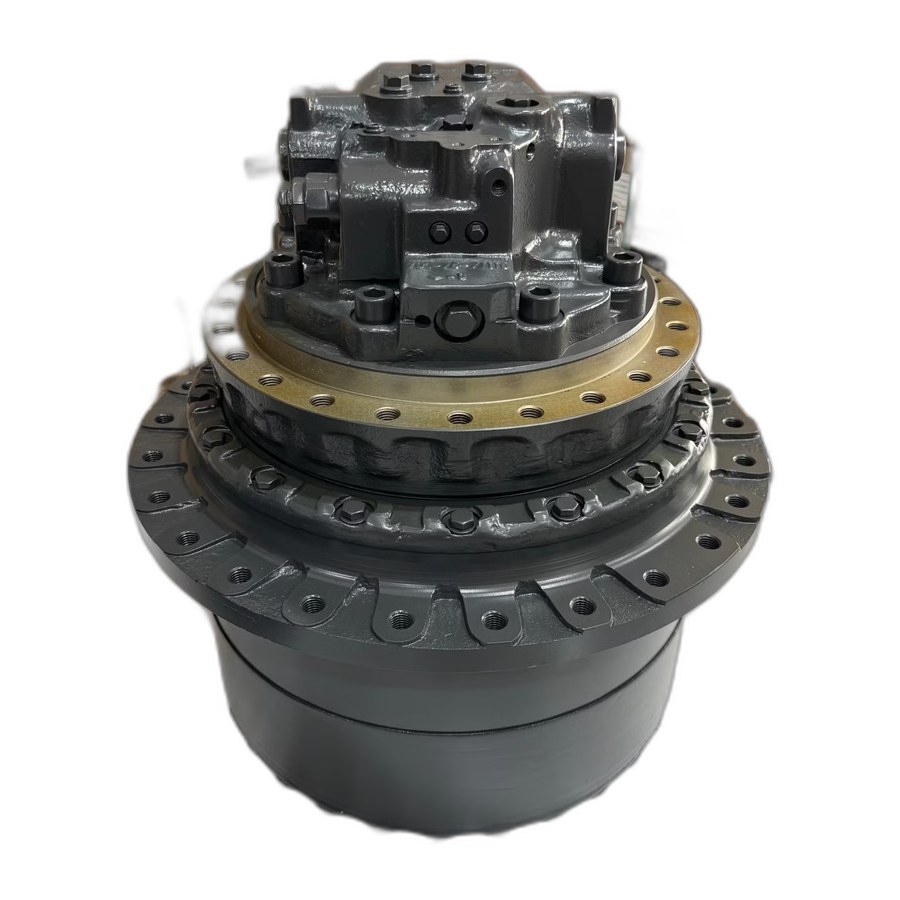
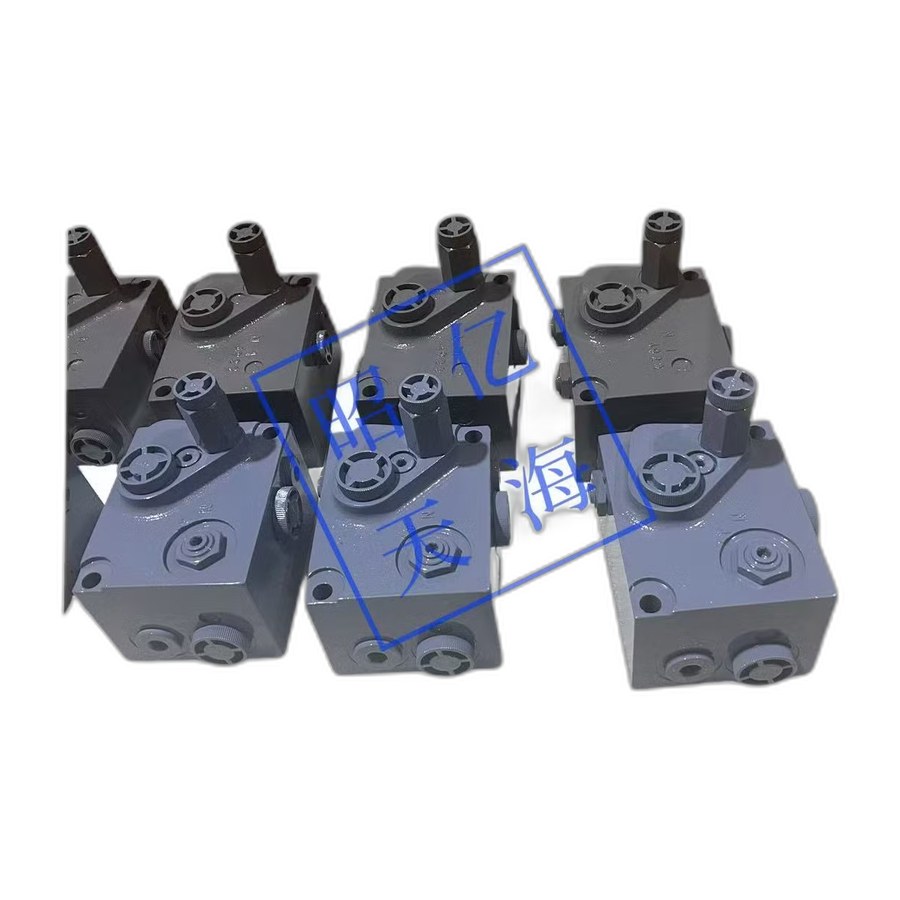
Send the stamped number, the machine model and the serial on WhatsApp. We confirm fitment before you pay, and we tell you if the number you have was superseded.
Send part number on WhatsApp