In stock
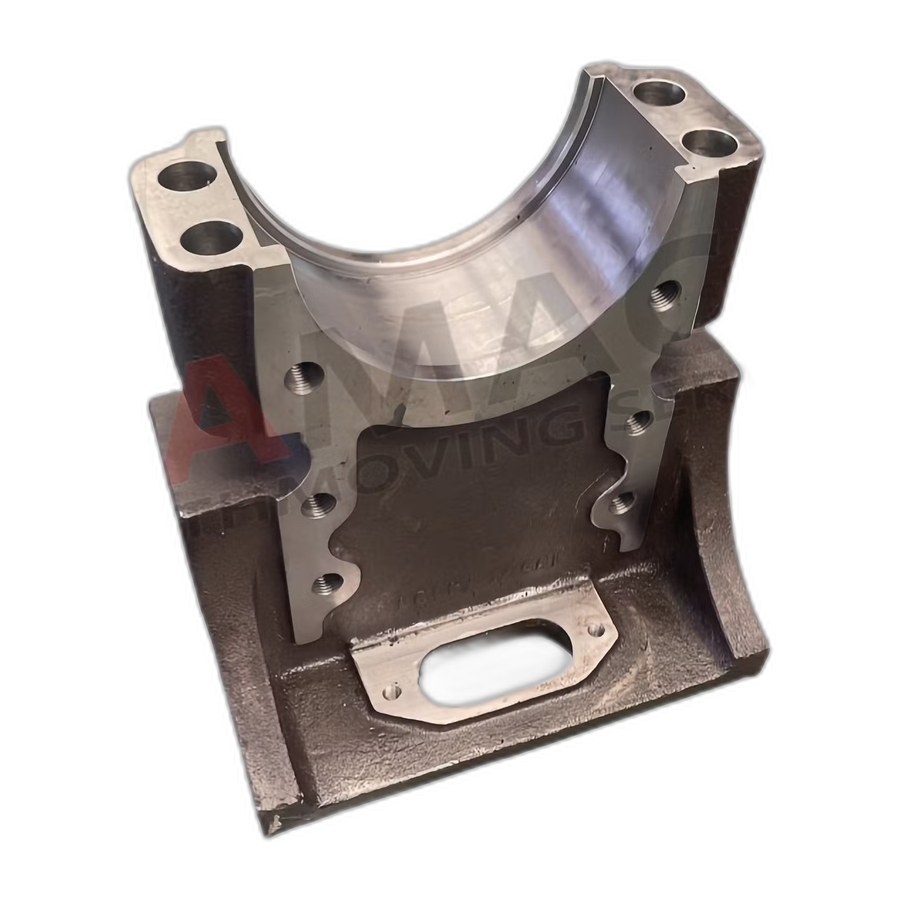
Undercarriage is the largest single running cost on a crawler machine, and it is also the system most often replaced too late. Track groups, sprockets and rollers wear together by design, so one component at its limit accelerates the failure of the rest. What follows is the checklist our field customers use to decide replacement timing before a machine goes down mid-shift.
On a dozer or excavator working in abrasive material, the undercarriage consumes a very large share of the total operating cost per hour. That cost is not linear. Wear is progressive and self-accelerating: as a bushing turns and the sprocket tooth thins, the chain sits lower, contact pressure rises, and the rate of wear on every remaining component increases.
The consequence is that a component replaced at eighty per cent wear protects the rest of the system, while the same component run to failure takes the mating parts with it. Fleets that measure on a fixed schedule spend less per hour than fleets that replace on breakdown, and the difference shows up as machine availability rather than as a line on the parts invoice.
For a US contractor running a season, availability is the number that matters. A track group that fails in the middle of a grading contract costs machine downtime, crew downtime and a rush freight bill — three costs that do not appear when the same job is planned around a scheduled replacement.
Measure at the same points every time, on a clean and dry machine, with the chain tension set to specification. A chain that is over-tensioned reads short on bushing height and masks real wear.
Wear is expressed as a percentage against the new dimension for that specific chain and shoe. The decision thresholds we work to are: below forty per cent, monitor on the normal service interval. Between forty and seventy per cent, plan the replacement into the next scheduled shutdown and order the parts so they are on site. Above seventy per cent, the group has entered the accelerated wear zone, and every further hour on it increases the cost of the parts you will need next.
Do not average across the two sides of the machine. A dozer working on a slope, or an excavator that travels in one direction along a bench, will wear one side faster. Measure both sides and plan the replacement on the worst side, because a chain cannot be run past its own limit just because the other side has life left.
Record the numbers with the hour meter reading. A trend line across three service intervals tells you far more than a single reading, and it lets you forecast a replacement window with enough lead time to put the parts on a consolidated shipment instead of an air freight invoice.
Track groups, sprockets, idlers and rollers are a system. Replacing a chain onto a worn sprocket destroys the new chain's pitch within a few hundred hours, which is the most expensive mistake in undercarriage maintenance because the labour is the same but the parts cost is doubled.
The practical rule we give customers: if the sprocket is past the wear limit, it goes into the same order as the chain. If the rollers are past limit, they go in too, because the labour to strip the track is already being paid once. Bolts, nuts and seals are cheap relative to the labour and should always be renewed rather than reused.
Shoe plate choice should follow the application, not the catalogue default. Wide shoes in soft ground reduce ground pressure but raise load on the link and roller; narrow shoes on rock give better penetration and less bending load on the shoe. Choosing a shoe that contradicts the working surface is a wear problem you have bought in advance.
Undercarriage components are heavy, awkwardly shaped and shipped in volume. We build export wooden cases to ISPM-15 practice, so crates clear US customs without additional fumigation, and we weigh and photograph every case before it is sealed.
For a full undercarriage set we quote air cargo and sea LCL side by side, because the cheaper option is not always the one that fits your shutdown window. On a planned replacement, sea freight with a consolidation of your other fast-moving parts usually wins on total landed cost; on an unplanned failure, air cargo into the nearest hub is the only way to protect availability.
We also quote the landed figure rather than the ex-works figure when asked, so the number you compare against your local dealer price includes freight and packing rather than sitting below it in a way that misleads the decision.
Current stock for the part numbers mentioned above. Send the number and we confirm fitment, price and freight.
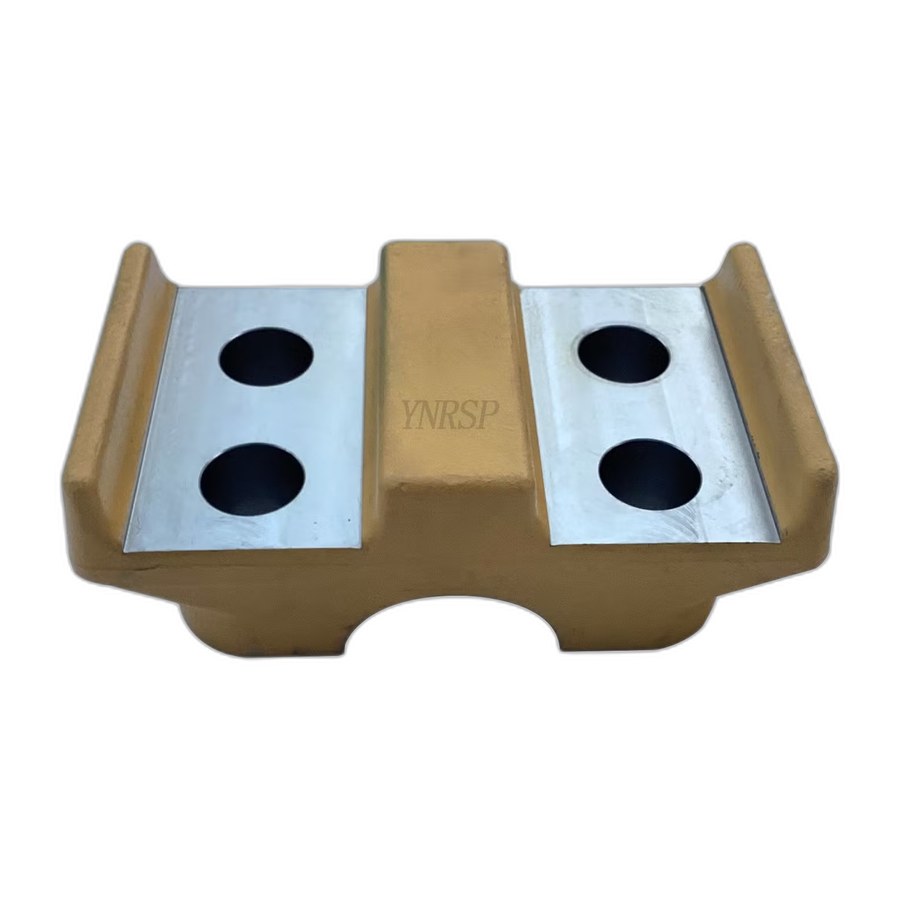
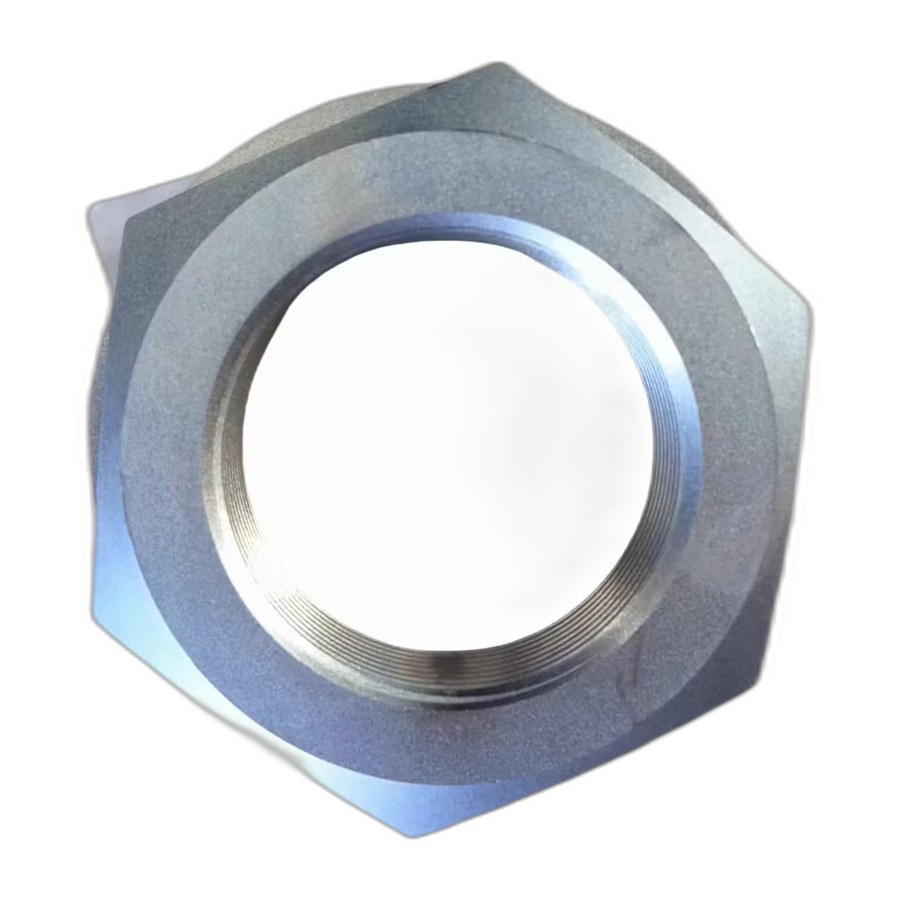
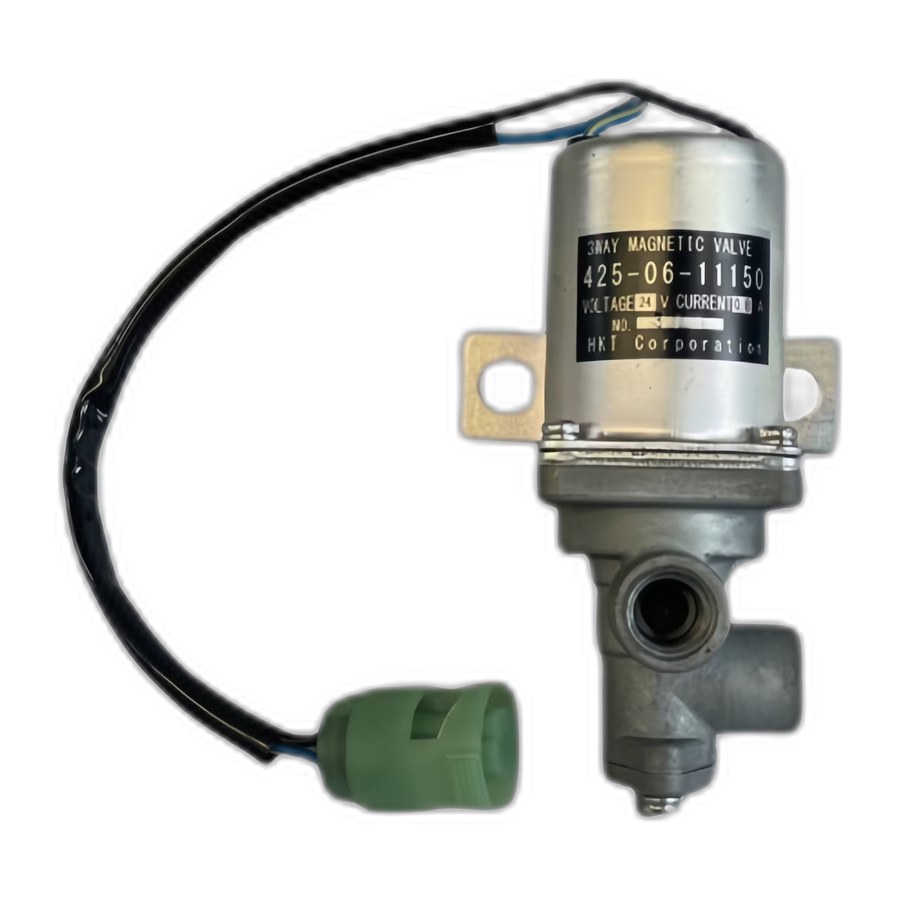
Send your hour meter reading and the wear percentages you measured. We will tell you which components have to be replaced together and quote a consolidated shipment.
Send part number on WhatsApp